CONDITION


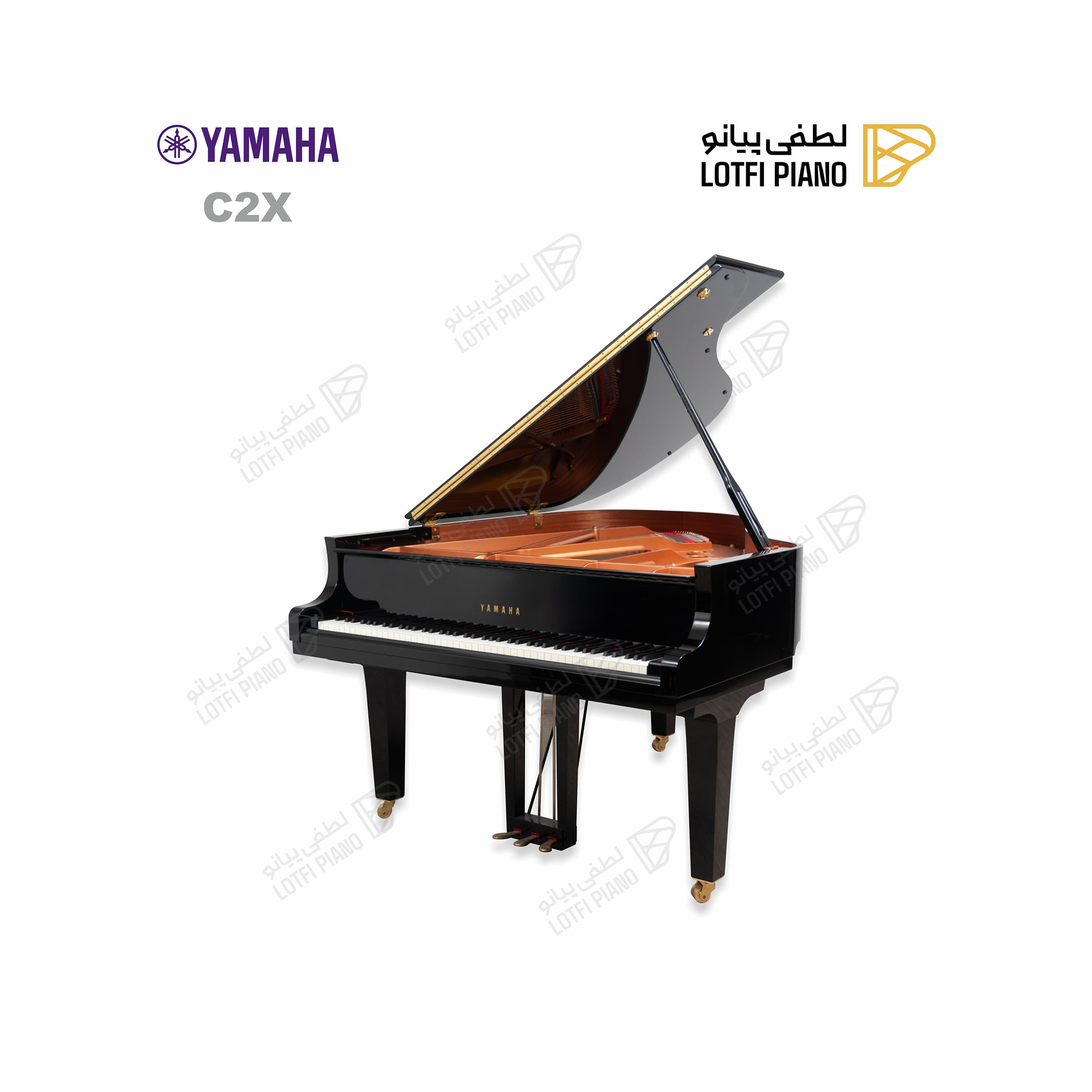
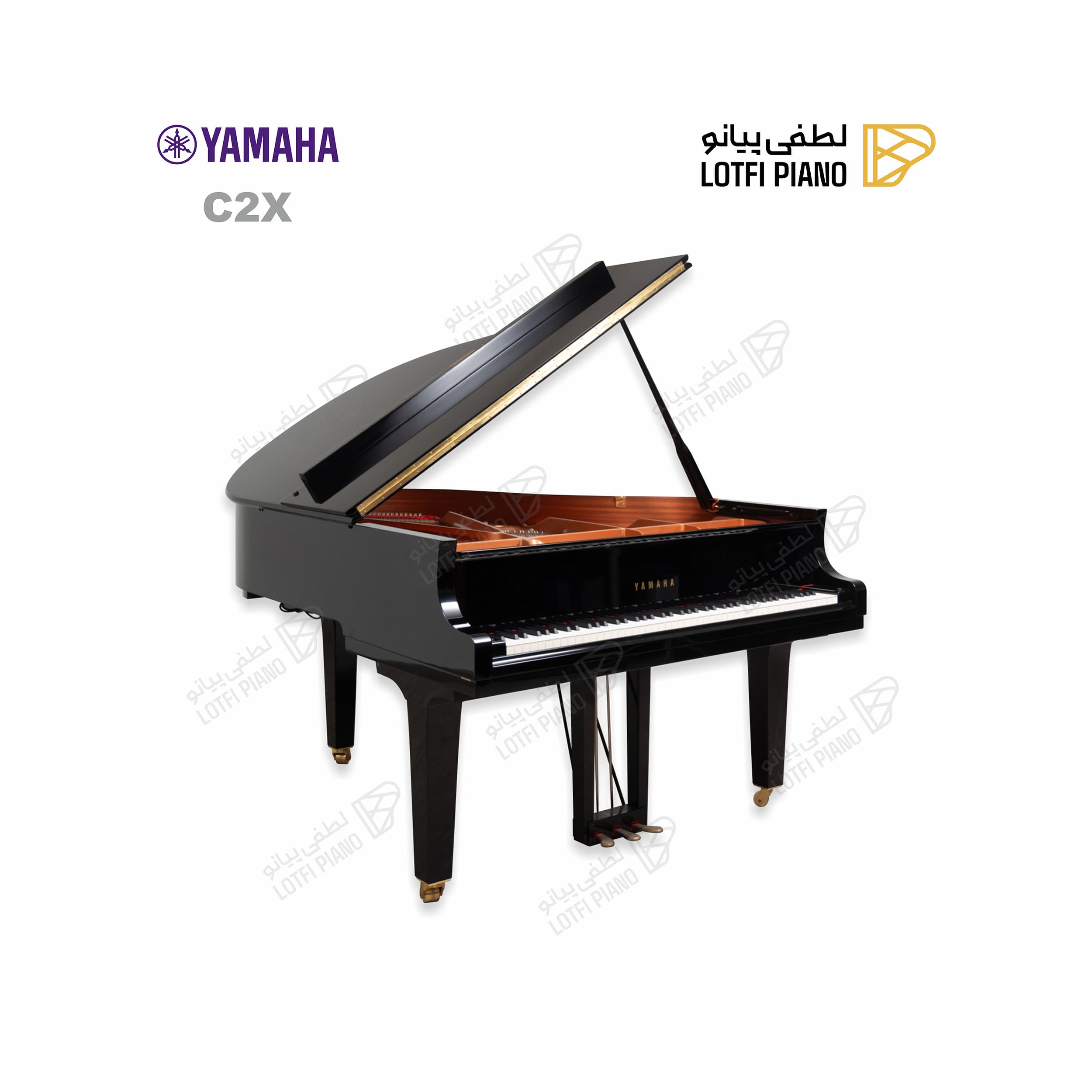
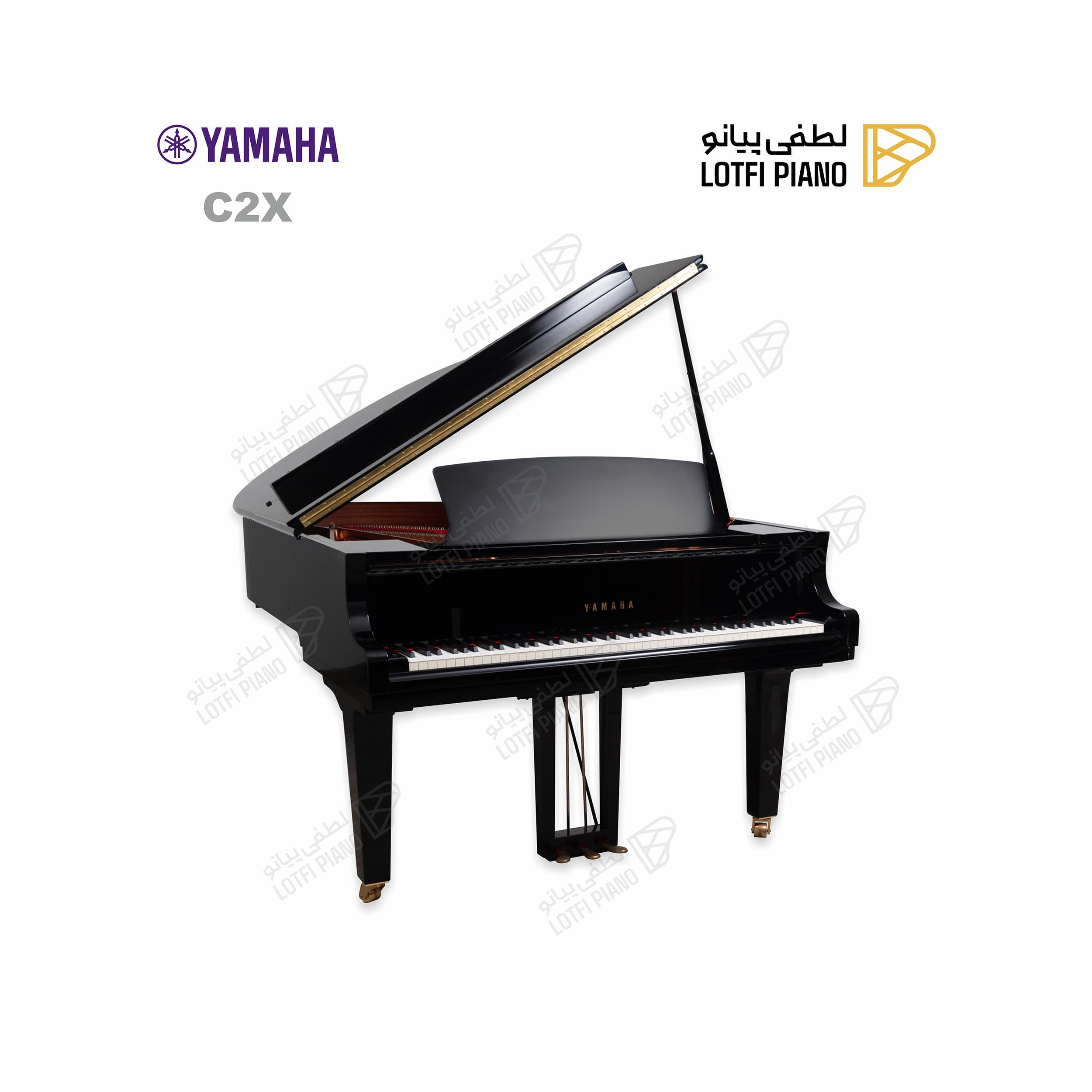
YAMAHA C2X
Grand Piano
80,000 AED
Color: Black
Yamaha CFX is there highest ranking of the Yamaha grand pianos which has been designed to establish a standard by incorporating an experience and technology gained from development of the flagship Yamaha grand piano full concert CFX model
Usually all of their CX serious after Piano is developed from CFX model and CX grand Pianos has been released around October 2012, usually CX Series Start from C1X model Until C7X Model and there is no difference between these models from the inside part only the length of the Piano can be the different
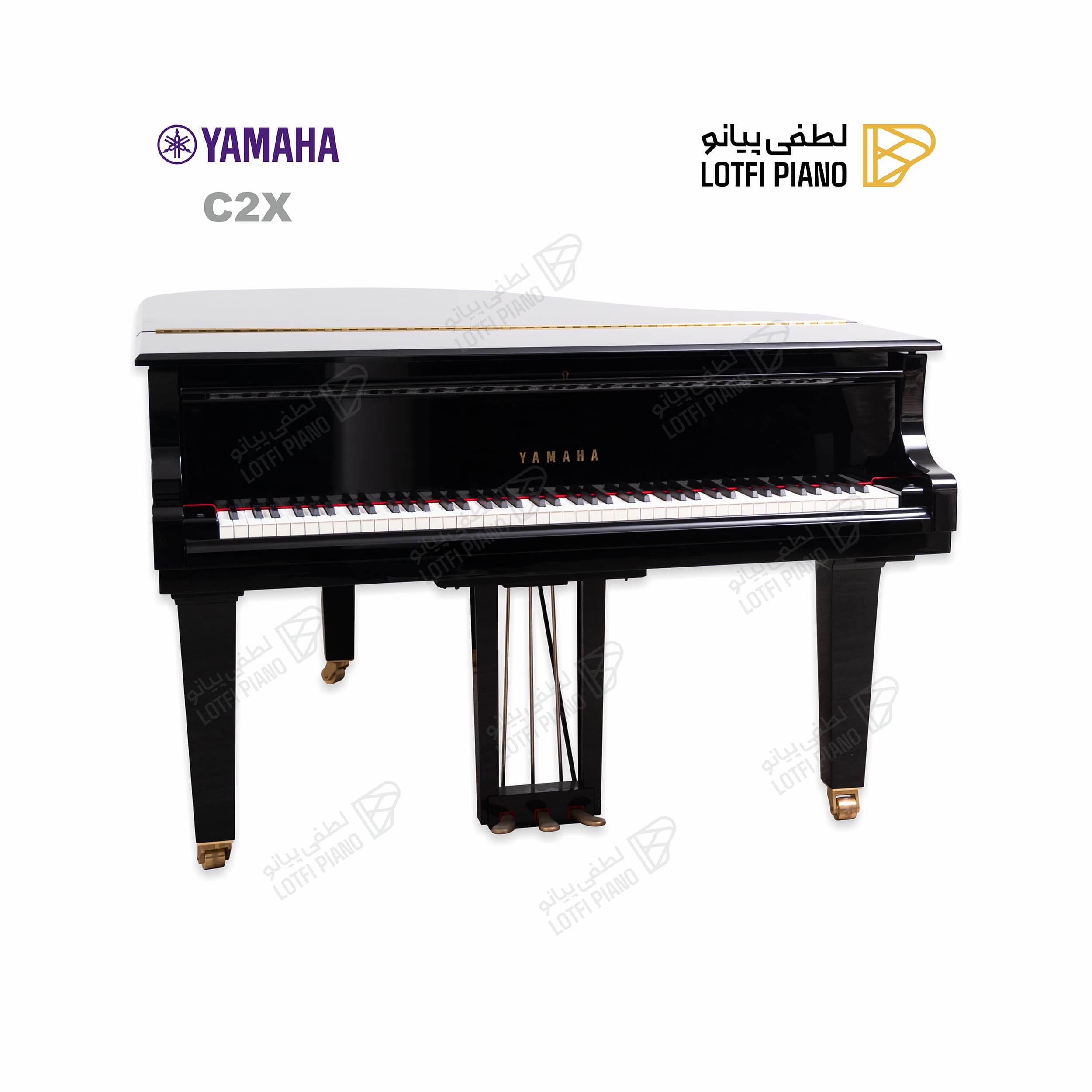
this is the Second Size of the CX series of Yamaha pianos, and C2X piano with (width x height x depth): 149 x 101 x 173 cm Weight 305kg is one of the best pianos in the CX series for the customers who are looking for Grand pianos.
Yamaha C2X Grand Piano
Columns of Soundboard rows
The structural elements located beneath a grand piano, particularly the support columns connected to the soundboard, play a critical role in the overall tonal quality of the instrument.
These back support posts are essential for producing a rich, full, and resonant sound. If these structural components are weak or insufficient, the piano body may gradually lose its stability over time. This can lead to deformation in the frame and ultimately result in energy loss, directly affecting sound projection and performance.
For this reason, the rear frame and soundboard support structure are extremely important in high-quality grand pianos.
C3X and bigger size is 20% more strong
In premium models such as the Yamaha C3X and above — including C4X, C5X, C6X, and C7X — the back frame and supporting wooden structures are typically designed to be approximately 20% larger and stronger. This enhancement allows for improved structural stability and significantly increases the power and richness of the sound.
Soundboard Design and Crown Structure
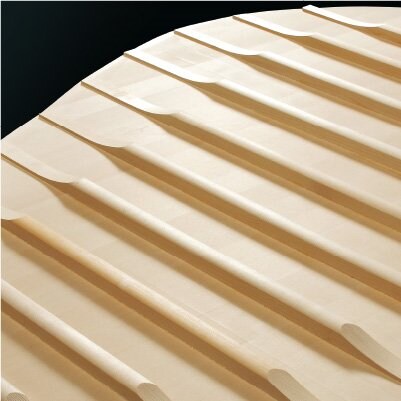
The soundboard is the primary source of resonance in a piano. It features a carefully engineered curved structure known as the crown, which plays a vital role in how sound is projected and distributed.
The process of creating and maintaining this crown is one of the most critical elements in piano manufacturing, as it directly affects tonal response and sound quality.
Yamaha has continuously refined this process, combining deep knowledge gained from traditional piano craftsmanship with modern technology. This unique balance has enabled them to achieve highly responsive and well-balanced soundboards.
In models such as the Yamaha C3X and above, where superior resonance is essential, the construction of the soundboard, ribs, and bridge follows the same principles used in the flagship concert grand CFX. This results in enhanced resonance, improved responsiveness, and a noticeably richer and more powerful tonal performance.
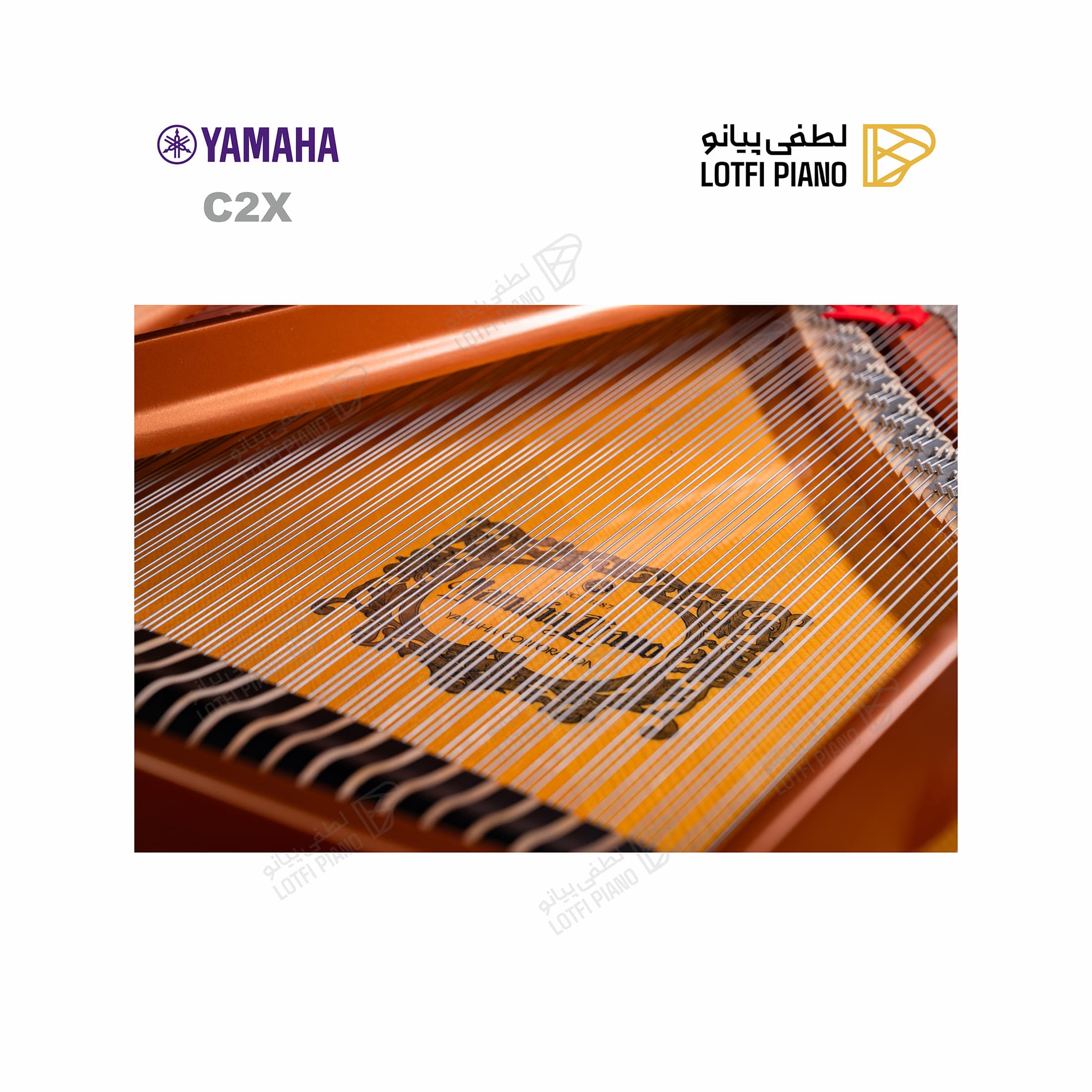
Music Wire and Tonal Performance
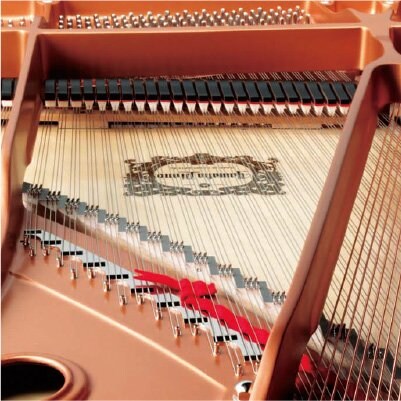
The quality of the music wire used in a piano plays a fundamental role in shaping its overall sound. It directly influences key elements such as tone, clarity, and sustain.
In the Yamaha CX series, specially developed music wire is used to produce a rich spectrum of harmonics along with a long, balanced sustain. This contributes significantly to the depth and character of the instrument’s sound.
Yamaha applies this same high standard of string technology across the entire CX series, including the C2X model. By maintaining consistency in materials and manufacturing, Yamaha ensures a reliable and refined tonal performance in every instrument.
As the strings are the primary source of sound production in a piano, their quality is essential. Yamaha’s use of premium-grade materials and advanced production techniques allows each piano to deliver a clear, expressive, and well-sustained tone.
This attention to detail is one of the reasons why the CX series is recognized for its high level of sound quality and performance.
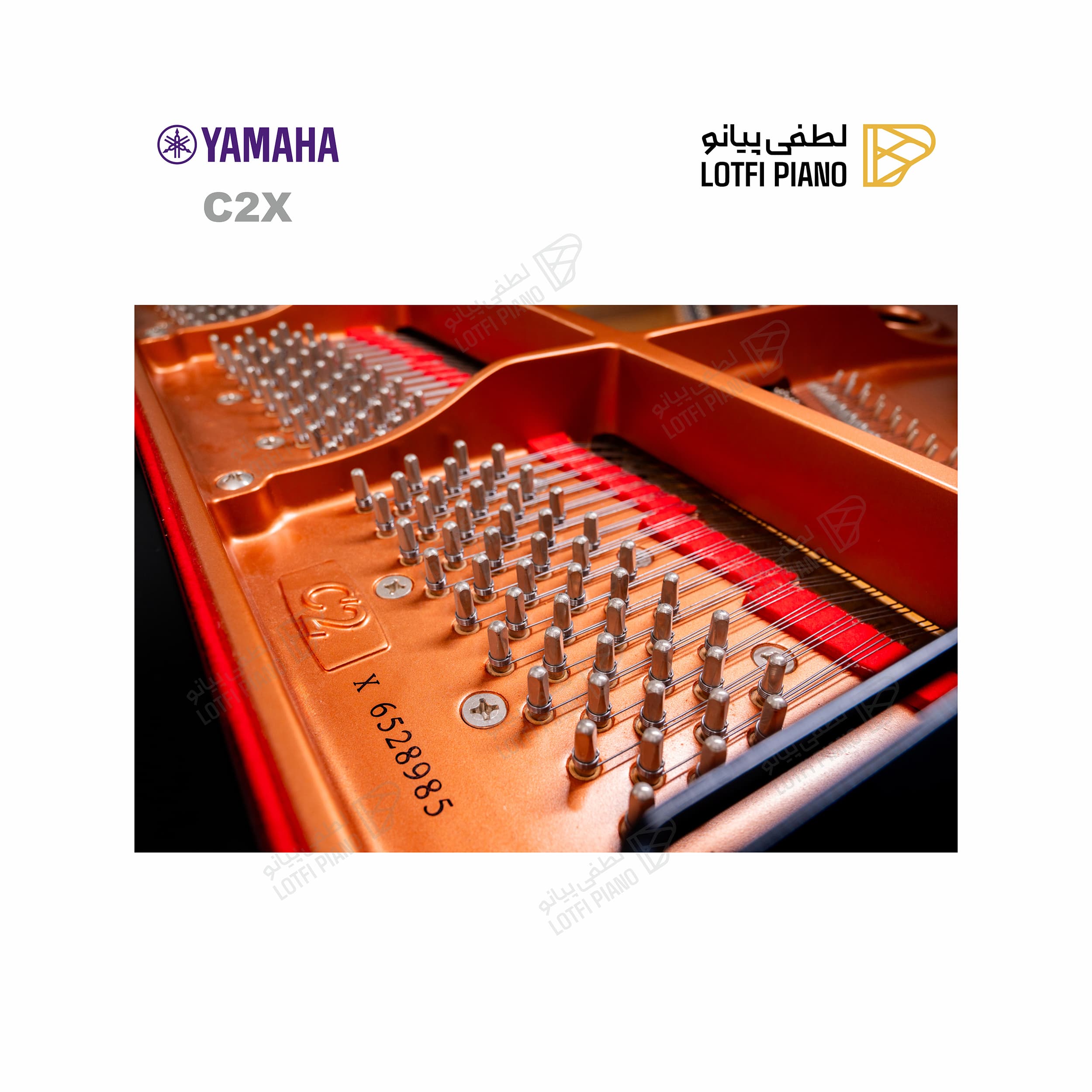
Yamaha Piano Iron Frame
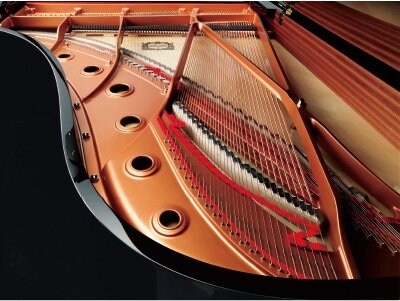
The frame of a modern piano plays a critical role in withstanding the immense tension of the strings, which can reach up to 20 tons in total. This structural component, combined with the wooden body of the piano, not only supports this tension but also has a direct influence on the tonal quality of the instrument.
One of Yamaha’s key advantages over many other manufacturers is that their piano frames are produced in-house at their Hamamatsu factory in Japan. By maintaining full control over production, Yamaha ensures exceptional consistency and precision.
Using advanced casting techniques such as the vacuum process, along with decades of technical expertise in areas like material composition and temperature control, Yamaha has achieved an outstanding level of quality. This level of craftsmanship and technological refinement is difficult to match and sets Yamaha apart in the global piano industry.
Yamaha Piano Hummer
Piano Hammers and Tonal Expression
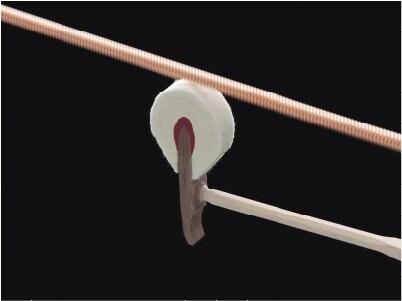
Piano hammers play a fundamental role in producing a rich, clear, and expressive sound. Their quality and design have a direct impact on the tonal character and responsiveness of the instrument.
Yamaha understands the importance of hammer construction in shaping a piano’s unique voice. Drawing on over a century of research, development, and craftsmanship, Yamaha has refined its hammer design to achieve exceptional tonal balance and consistency.
The CX series utilizes hammer felt and design concepts derived from Yamaha’s flagship concert grand, the CFX. This ensures that even in smaller models, the same level of tonal precision and expressive capability is maintained.
As a result, the hammers respond with great sensitivity to the player’s touch, producing a clear, bright, and well-defined sound that can be effectively conveyed to the listener.
Tuning & Keyboard
In an acoustic piano, each key moves only about 10 millimeters However within this small movement a pianist can create a wide range of tones by controlling touch and using the pedals.
This level of expression is something that even modern digital pianos cannot fully reproduce It is one of the true characteristics of an acoustic piano.
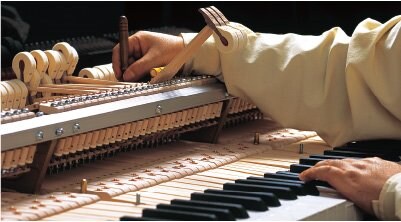
To achieve this, Yamaha puts great care into every instrument. Through a process called regulation, the action is adjusted so that even the smallest touch from the player is transferred accurately. In voicing, the hammers are carefully treated to produce a balanced and beautiful tone.
These processes are still done by skilled craftsmen, whose experience and attention to detail ensure the high quality of each piano.
This combination of technology and craftsmanship is one of the reasons Yamaha continues to be one of the world’s leading piano manufacturers.
Design
Design Philosophy of the CX Series
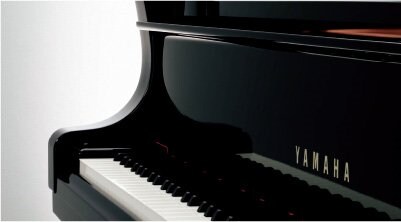
When it comes to design, Yamaha has always aimed to achieve elegance through simplicity. This philosophy is clearly reflected in the CX series, which inherits its design language from the flagship CFX concert grand.
The CX pianos feature clean lines and a refined structure, with unnecessary decorative elements intentionally removed. This approach creates a timeless and classic appearance that emphasizes the true identity of the instrument.
At the same time, functional elements such as the hardware and structural details are thoughtfully designed to enhance both durability and usability. Rather than relying on excessive ornamentation, Yamaha focuses on balance, strength, and purpose in every aspect of the design.
The result is a piano that embodies simplicity, strength, and classic beauty.
Slow down
Soft-Close Fallboard Mechanism
In many traditional pianos, the keyboard lid (fallboard) is designed without a soft-close mechanism, which can pose a risk during use. Yamaha, however, has incorporated a soft-close system into its pianos for many years.
This mechanism allows the fallboard to close slowly and smoothly, preventing it from shutting abruptly. It is especially important for safety, as the lid of a piano can be relatively heavy and may cause injury to fingers—particularly for children or even pianists during regular use.
By integrating this thoughtful feature, Yamaha enhances both safety and user experience. All models within the CX series are equipped with this soft-close fallboard mechanism, reflecting Yamaha’s attention to detail and commitment to practical design.

White and Black Key
Key Materials and Ivory Feel
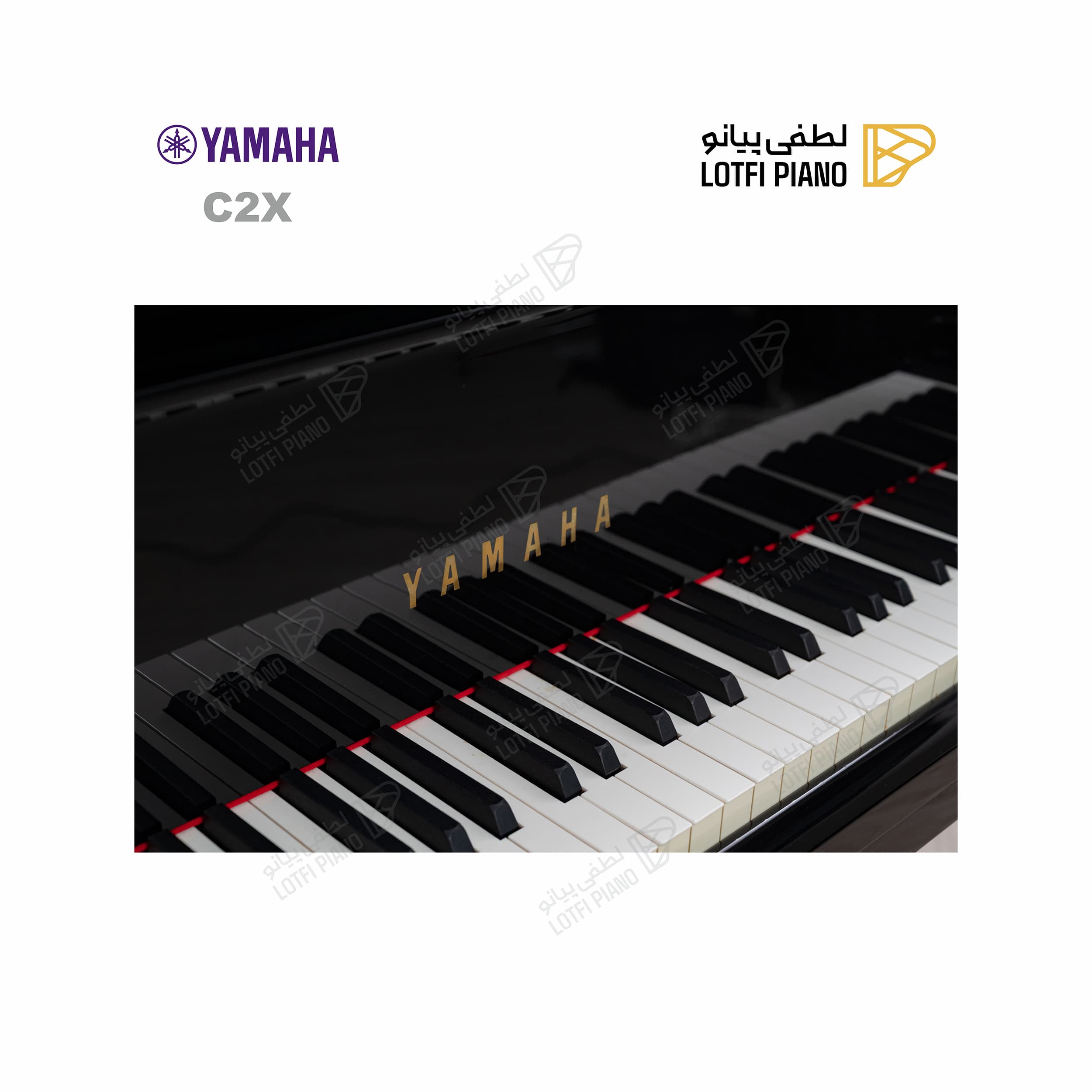
In the past, many pianos were equipped with natural ivory White key. However, due to international regulations and environmental concerns regarding the use of elephant ivory, piano manufacturers have transitioned to more sustainable alternatives.
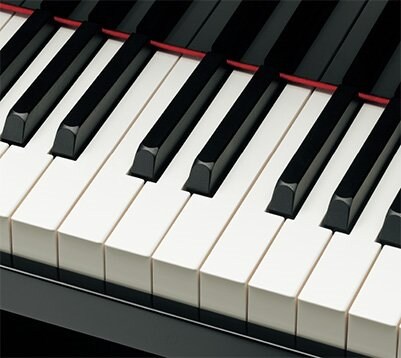
Yamaha has fully adopted high-quality synthetic ivory for all of its instruments. In the CX series, Yamaha uses a specially developed material known as “Ivorite” for the white keys. This advanced material is designed to replicate the natural texture, moisture absorption, and tactile feel of real ivory, providing a comfortable and secure playing experience.
For the black keys, Yamaha uses ebony, maintaining a traditional and high-quality touch.
By combining modern materials with traditional craftsmanship, Yamaha ensures both environmental responsibility and an authentic playing feel.